

In a world where medications like Ozempic are everywhere, it’s easy to believe that injections are the only answer for weight management or metabolic health. Your metabolism may feel broken, but it isn’t. It just needs the right support.
There’s promising research suggesting that GLP-1 medications can help with certain conditions, including inflammation and mast cell activation syndrome (MCAS), especially when used in microdosed, therapeutic ways [1]. That said, they’re not meant to replace the foundational work of restoring metabolic balance.
When you work with your body (instead of overriding its natural rhythms) you can restore the balance between blood sugar, appetite, and energy that keeps everything running smoothly. That’s where root-cause, sustainable solutions come in. You can support your metabolism naturally, without dependency or side effects.
The Ozempic Era
There’s no denying it. GLP-1 medications like Ozempic, Wegovy, and Mounjaro have completely reshaped the wellness and weight loss landscape. They work by mimicking a hormone called GLP-1 (glucagon-like peptide-1), which helps control blood sugar and appetite. These drugs can suppress cravings and slow digestion, making it easier to eat less. And for certain individuals, they can be a helpful therapeutic tool for weight loss or managing type 2 diabetes.
More recently, research has even explored microdosed GLP-1 protocols for chronic inflammation, autoimmune conditions, and MCAS because of the hormone’s anti-inflammatory effects [2]. It’s fascinating science and it reinforces how interconnected metabolism, immunity, and inflammation really are.
But for most people, GLP-1 medications aren’t a long-term solution. They work by overriding your body’s natural signaling systems rather than retraining them. When you stop taking the medication, appetite and energy regulation often rebound, because the root cause of metabolic dysfunction hasn’t been addressed.
If your goal is long-term health and vitality, supporting your metabolism naturally is a smarter and more sustainable approach.
How GLP-1 Medications Work (And What We Can Learn From Them)
GLP-1 is a hormone released by your gut after eating [3]. It helps regulate:- Insulin and blood sugar levels
- Appetite and satiety
- Digestion speed by slowing gastric emptyingWhen used in high doses, medications like Ozempic mimic this hormone, amplifying its effects. You feel full longer, eat less, and stabilize blood sugar. While this can lead to weight loss, GLP-1 medications are known to cause a loss of both fat and lean muscle, which is critical for glucose absorption and body recomposition. Furthermore, these drugs can also bypass the body’s natural communication loops between the gut, brain, and liver. Over time, this can reduce your body’s own ability to regulate appetite and metabolism without external input.Microdosed use for inflammatory conditions is a different conversation, and one best guided by a practitioner who understands both functional and pharmacological approaches. Still, even then, the foundation remains the same: your body needs real nourishment, movement, and cellular support to heal and regulate long-term.
7 Natural Ways to Support GLP-1 Naturally
Your body already has the tools to regulate metabolism and appetite; you just have to give it the right inputs. Here’s how to naturally support your GLP-1 and create lasting metabolic balance:
- Fiber
Soluble fiber (like oats, chia, psyllium, beans, and vegetables) slows digestion, promotes fullness, and supports a healthy gut microbiome. These fibers also feed bacteria that help naturally stimulate GLP-1 and improve insulin sensitivity. - Spices
Cinnamon, turmeric, and cayenne are small but mighty when it comes to metabolic health. They enhance insulin sensitivity, support blood sugar balance, and help your body use glucose more efficiently, all while adding warmth and flavor to meals. - Omega-3s
Omega-3 fatty acids from salmon, sardines, flax, and walnuts reduce inflammation, improve hormone signaling, and support metabolic communication between your gut and brain. - Polyphenols and Gut Health
Polyphenols (the antioxidant compounds found in foods like berries, green tea, pomegranate, and olive oil) feed beneficial gut bacteria, including Akkermansia muciniphila. This microbe plays a key role in improving glucose control and naturally stimulating GLP-1 secretion. - Protein Timing and Movement
Starting your day with a protein-rich breakfast helps stabilize blood sugar and hunger hormones for the rest of the day. Pair that with consistent resistance training or movement throughout the week, and you’ll boost satiety hormones like GLP-1 while improving metabolic flexibility. - Stress and Sleep Regulation
High stress and poor sleep directly blunt GLP-1 and insulin sensitivity. Creating calming evening rituals, prioritizing 7–8 hours of sleep, and managing cortisol naturally support better appetite control and energy balance [4]. - Exercise
Regular physical activity is one of the most effective ways to enhance GLP-1 sensitivity and metabolic efficiency. Combining strength training with moderate cardio not only improves muscle-to-fat ratio but also supports insulin function and energy expenditure, helping the body burn fat more efficiently and maintain long-term weight balance. - Motus
Motus is a research-backed formula of 5 natural ingredients that burns fat, not muscle, and supports long-term results, without the weight rebound. It works by activating AMPK (your body’s “metabolic master switch”) and inhibiting mTOR, helping your body burn fat more efficiently and maintain steady energy throughout the day.
Jess’s Tip: “I love that Motus supports what I already focus on daily (balanced meals, blood sugar, and nourishment) but on a cellular level. It’s a subtle shift that makes my energy feel steadier and cravings calmer.”
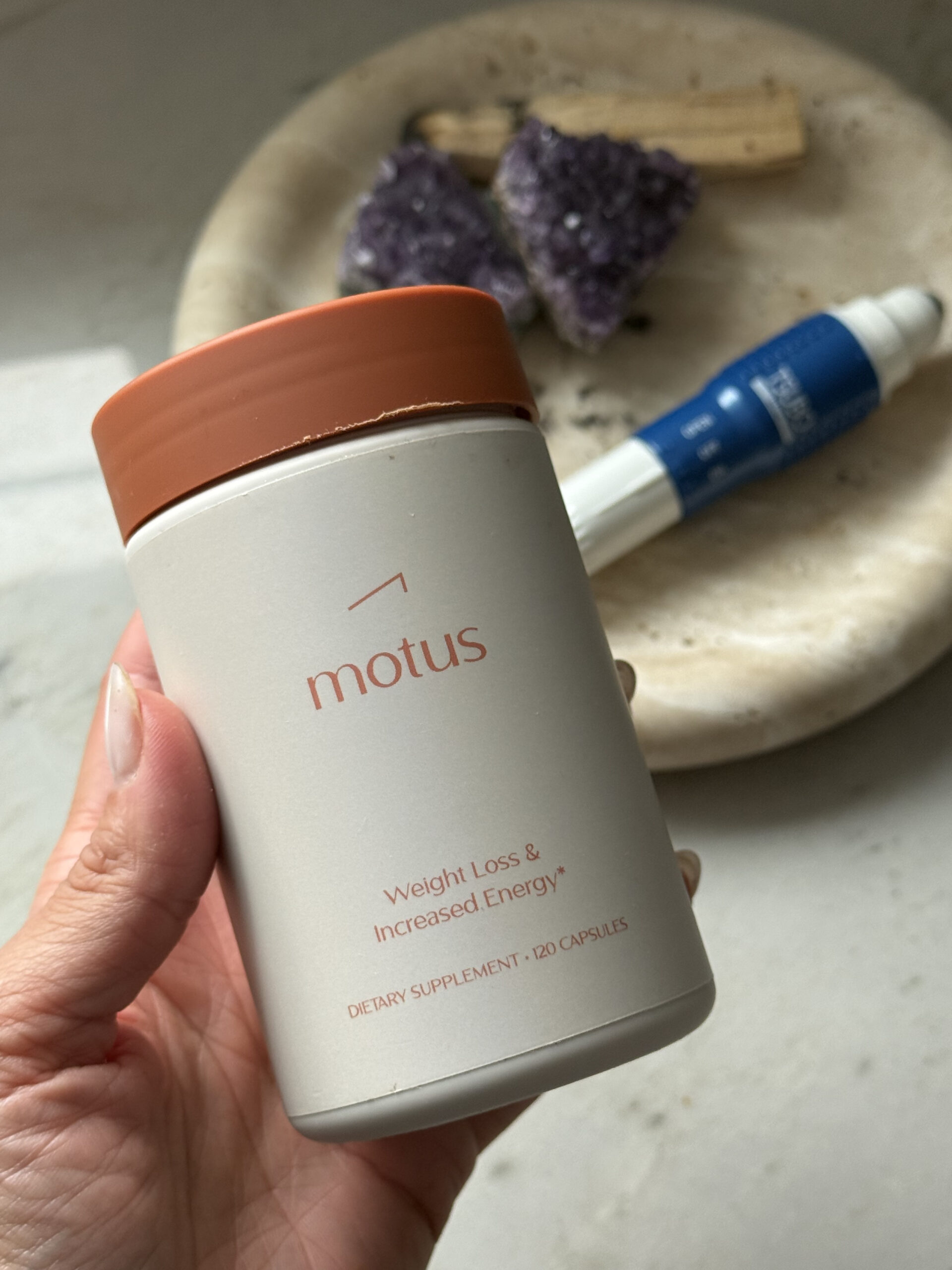
Why Motus Is a Root-Cause Support
Motus — Tonum’s scientifically proven formula formulated with experts from Duke Health — brings the best-researched metabolic ingredients together into one powerful, synergistic formula designed to support metabolic health, weight reduction, and blood sugar stability.What’s inside (and why it matters):
- Taurine — Supports bile flow, insulin sensitivity, and cellular energy.
- Berbevis® (berberine) — Clinically studied for glucose control and metabolic health.
- Siliphos® (silybin phytosome) — Antioxidant support for liver function and lipid metabolism.
- Nicotinamide — Essential B3 form that supports cellular energy and metabolic pathways.
- Alpha-Lipoic Acid (ALA) — Antioxidant that supports insulin sensitivity and mitochondrial function.
While Motus is clinically studied for weight loss, it’s still a supplement. This means it performs best alongside the foundations: whole-food nutrition, consistent movement (cardio + strength), quality sleep, and stress regulation. That’s the root-cause approach: simple, sustainable inputs that retrain your body’s natural rhythms rather than overriding them.
My experience:
Since starting Motus, I’ve noticed steadier energy throughout the day, fewer sugar cravings, and a noticeable difference in post-meal blood sugar levels. It’s been a subtle but powerful shift toward feeling more balanced and in tune with my body.
Use code JESSICA for 10% off
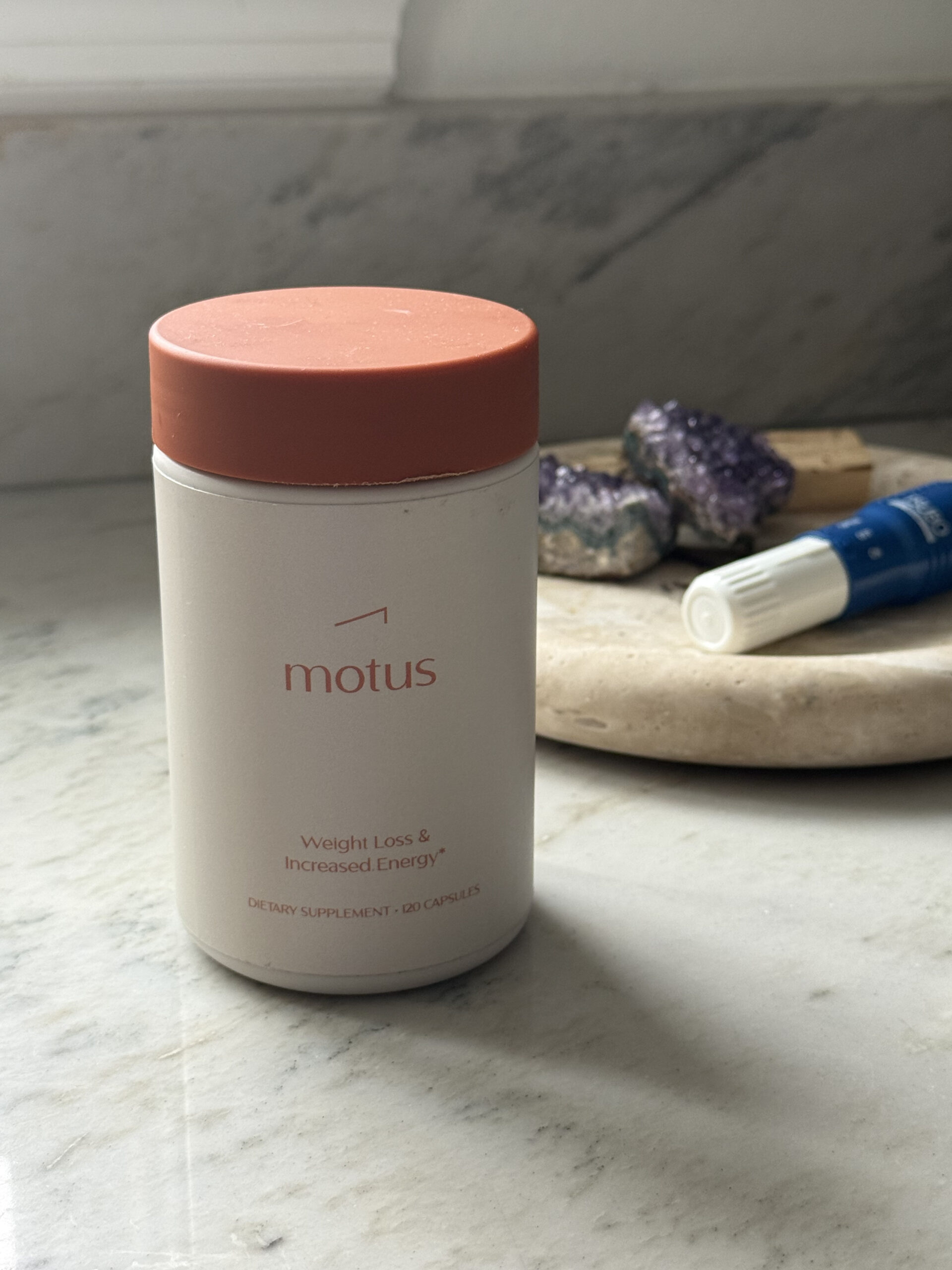
Root-Cause Support vs. Band-Aid Fixes
GLP-1 medications can feel like a quick solution. They override appetite and insulin signals to create short-term changes in blood sugar and hunger. But once the medication stops, those effects fade, often leaving you right back where you started.
That’s because they never retrain the body’s natural systems; they simply silence them.
Root-cause support, on the other hand, rebuilds the body’s natural communication systems. Solutions like Motus, combined with balanced nutrition and stress management, retrain your metabolism to burn fat efficiently, regulate glucose naturally, and restore hormonal rhythm. The goal isn’t to suppress your appetite. It’s to rebuild your body’s innate metabolic rhythm so you can maintain energy, balanced hormones, and a healthy weight long-term.
Internal Links:
- https://tonum.com/blogs/news/what-is-metabolism
- https://tonum.com/blogs/news/how-to-lose-weight-with-insulin-resistance
- https://tonum.com/blogs/news/lesser-known-side-effects-ozempic
- https://tonum.com/blogs/news/is-it-possible-to-reverse-type-2-diabetes
- https://tonum.com/blogs/news/how-to-not-gain-weight-after-stopping-ozempic
- https://tonum.com/blogs/news/weight-loss-vs-fat-loss
- https://tonum.com/blogs/news/leptin-ghrelin-weight-loss
- https://tonum.com/blogs/news/dietitian-grocery-list-for-weight-loss
- https://tonum.com/blogs/news/not-losing-weight-despite-exercise-and-diet
- https://tonum.com/blogs/news/best-natural-weight-loss-supplements
- https://tonum.com/blogs/news/how-to-take-berberine-for-weight-loss
References:


Thanks for the blog post Thanks Again. Really Great
The information you shared is valuable. I benefited greatly from it. Thank you for publishing this article.